 The Diaspora Says No To CAB3— And Means It.
Zimbabweans across the globe have demonstrated unprecedented defiance in response to what critics describe as a tightening grip by President Mnangagwa's leadership, marked by repressive legislative manoeuvres, the deployment of state apparatus, and alleged manipulation of the ongoing constitutional amendment process.
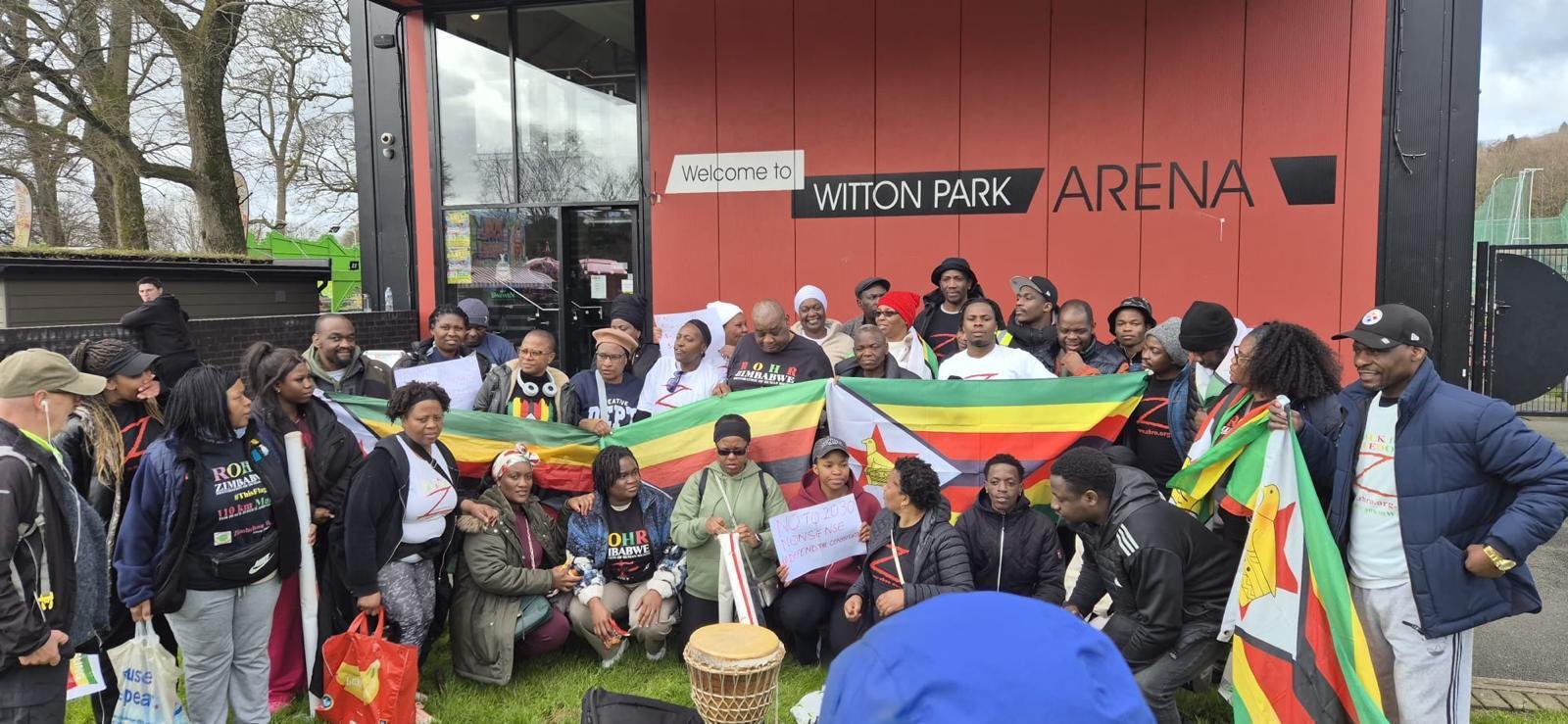
In the United Kingdom, Zimbabweans staged a "March of Defiance" {under the ZHRO "Walk for Freedom" concept} at Witton Park in Blackburn, where dozens of participants braved cold and rainy weather. Organisers said more than 50 people took part, having travelled from various UK cities and spent the night in nearby accommodation ahead of the event. (Bulawayo24)
The marchers were not merely protesting a bill. They were speaking from lived experience. Many in the diaspora were forced to leave their homeland due to prolonged political and economic instability, largely stemming from extended periods of leadership that failed to uphold accountability, transparency and good governance. The era of President Robert Mugabe, marked by overstaying in power, contributed significantly to the deterioration of Zimbabwe's economy, institutions and social fabric. (Bulawayo24)
(NewZimbabwe.com) Note the online survey below;
| The recently gazetted Constitutional Amendment Bill No. 3 proposes major changes, including extending presidential terms from 5 to 7 years and allowing President Emmerson Mnangagwa to remain in office until 2030. Do you support these proposed constitutional changes? |
|
For this generation, Amendment Bill No. 3 is not a new story. It is a familiar one — with a different name at the top.
Zimbabweans in the diaspora actively participated in national processes, including the Constitution Parliamentary Select Committee (COPAC), which culminated in the adoption of the 2013 Constitution. That constitution was a product of extensive consultation, sacrifice and the collective aspirations of Zimbabweans both at home and abroad. (Bulawayo24) To see it dismantled through legislative sleight of hand is, for many, a personal wound as much as a political one.
The diaspora's demands are clear. They call on Parliament to reject Constitutional Amendment Bill No. 3 in its entirety, uphold the integrity and spirit of the 2013 Constitution, and prioritise national interest, democratic governance and accountability over political expediency. (Bulawayo24)
The Bigger Picture: A Pattern of Democratic Regression
When Zimbabwe enacted the 2013 Constitution, former President Robert Mugabe had been in power for 33 years. (ConstitutionNet) That constitution was designed, in part, to ensure Zimbabwe would never again be held hostage by a single man's grip on power. The irony of its successive erosion under the man who removed Mugabe is not lost on anyone watching from Harare — or from Harlesden. Constitutional scholars have been unsparing in their assessment. The bill's cumulative effect is a fundamental reordering of the constitutional system which increases presidential authority while weakening mechanisms for popular participation and democratic accountability, exemplifying executive consolidation through constitutional disruption and accelerating Zimbabwe's ongoing trajectory of democratic regression. (Thezimbabwean)
The government insists it is modernising. Critics — across civic society, the legal profession, the Church, and the diaspora — respond that what is being modernised is the architecture of authoritarianism.
Conclusion: The Constitution Belongs to the People. The Zimbabwe Diaspora Vote Initiative has insisted that Zimbabweans living outside the country must participate in any constitutionally required referendum to decide on the proposed amendments, and that excluding them would violate their constitutional rights. (allAfrica.com)
This demand cuts to the heart of the matter. The 2013 Constitution is not ZANU–PF's document to rewrite at will. It is a social contract — built through blood, negotiation, and collective aspiration. Its entrenchment clauses exist precisely to prevent any government from dismantling democracy from the inside.
As the 90-day public consultation window closes and the May 2026 parliamentary vote draws near, one thing is clear:
the Zimbabwean people — whether in Harare, Bulawayo, Birmingham or Johannesburg — are not passive spectators in this moment.
They are witnesses, they are litigants, and they are, once again, being asked to defend a constitution they helped write.
The answer they are giving is unambiguous. No.